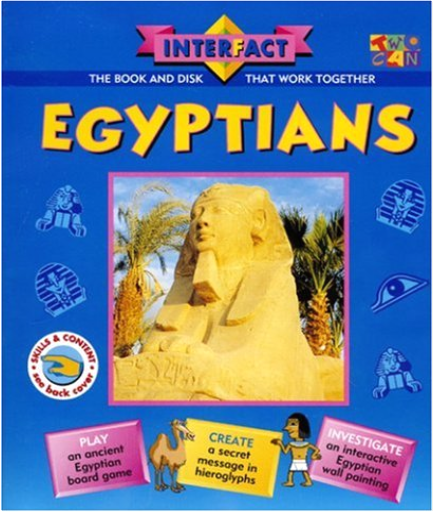
  A unique series of information books packaged with bonus CD-ROMs. Interfact combines the lively design of an excellent information book with the challenge of an activity-packed CD-ROM. These fact-filled books contain amazing facts, photographs, and illustrations, a glossary and an index. Book and disk are cross-referenced to foster both reading and computer skills. 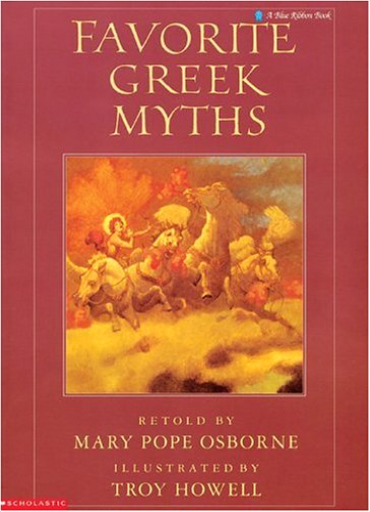 Here are twelve Greek myths, retold in an accessible style and magnificently illustrated with classic elegance. Full color. 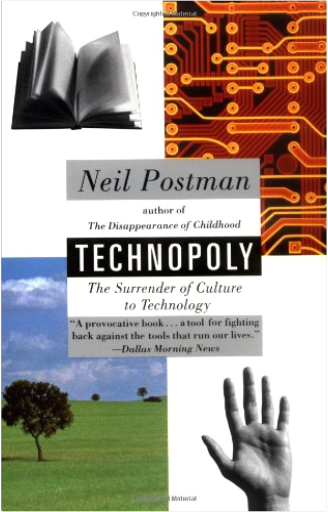   In this witty, often terrifying work of cultural criticism, the author of Amusing Ourselves to Death chronicles our transformation into a Technopoly: a society that no longer merely uses technology as a support system but instead is shaped by it—with radical consequences for the meanings of politics, art, education, intelligence, and truth. 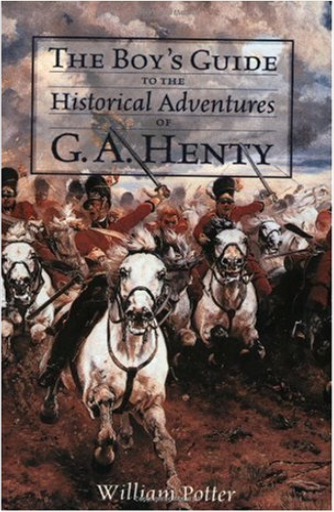 This unique book charts HEnty's works of historical fiction chronologically and provides botha plot summary andan historical overview of over 70 of his classic tales. | 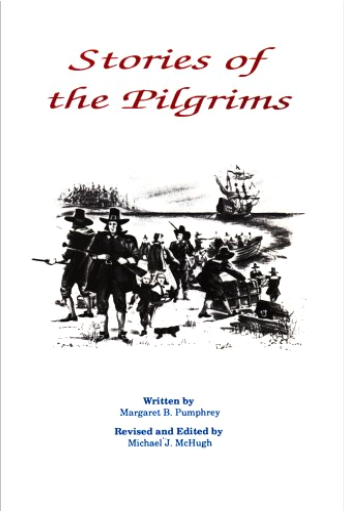 Book may have numerous typos, missing text, images, or index. Purchasers can download a free scanned copy of the original book (without typos) from the publisher. 1912. Not illustrated. Excerpt: ... A PERPLEXING PROBLEM WHEN they first came to Holland, everything seemed strange to the English children. The gay-colored houses with their floors of blue tile, their queer little fireplaces, and their steep roofs, were very different from the homes they had left in England. They had never seen wooden shoes such as the Dutch children wore. The dikes to keep out the sea, the giant windmills, and the canals all seemed odd. Strangest of all was the language. They thought they could never learn it. But after they had lived in Holland a few years these things did not seem so strange. The little English children began to like the Dutch dress and ways. They liked the canal streets, the whirling windmills, and the Dutch cottages. They liked the pretty, bright dresses and gold cap-buttons which the Dutch girls wore, and wished to dress like them. They sometimes coaxed their mothers to wear pretty lace caps and fine earrings such as their neighbors wore. "It is not right for you to care so much about pretty clothes," said their parents. "Plain caps and dresses are more suitable for Pilgrims." These children soon learned the language of Holland, and liked it almost as well as their native one. Indeed, some of them liked it better, and often spoke Dutch at home instead of English. It was now eleven years since the Pilgrims had come to Holland. In this time many babies had been born in their new homes. When these little ones began to talk, their parents taught them to speak English, but when they were old enough to play out of doors, they heard Dutch all about them, and when they went to school they heard nothing but that language. Soon the little ones were speaking better Dutch than English. This was a real sorrow to the Pilgrim fathers and mothers, who did not want their childr... 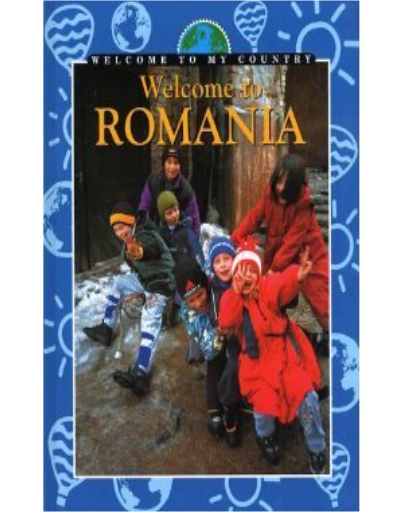 This diverse series offers an accessible approach to countries across the world, from Ethiopia to Poland. Each title gives information about the language, history and geography of the country and includes a detailed map and useful facts, as well as how to find out more. |

Collection Total:
1,040 Items
1,040 Items
Last Updated:
Sep 16, 2014
Sep 16, 2014
 Made with Delicious Library